

Burundi’s opposition parties have described last week’s dialogue with President Évariste Ndayishimiye on electoral concerns as “unsatisfactory,” arguing that the discussions failed to address key demands ahead of the 2027 presidential election.
In a joint statement issued Tuesday, five opposition parties — CNL, UPRONA, FRODEBU, CDP, and CODEBU — said their concerns remained unresolved despite submitting a series of recommendations during the talks.
“During the discussions, we presented our concerns along with eighteen recommendations aimed at strengthening transparency, credibility, and trust in the electoral process,” the statement read.
The parties said several critical issues were left unaddressed, including revisions to electoral laws, the restructuring of the electoral commission, and what they described as the lack of neutrality within the Constitutional Court and the national electoral body.
“However, the responses provided during our discussions were not satisfactory in addressing our concerns,” the statement added.
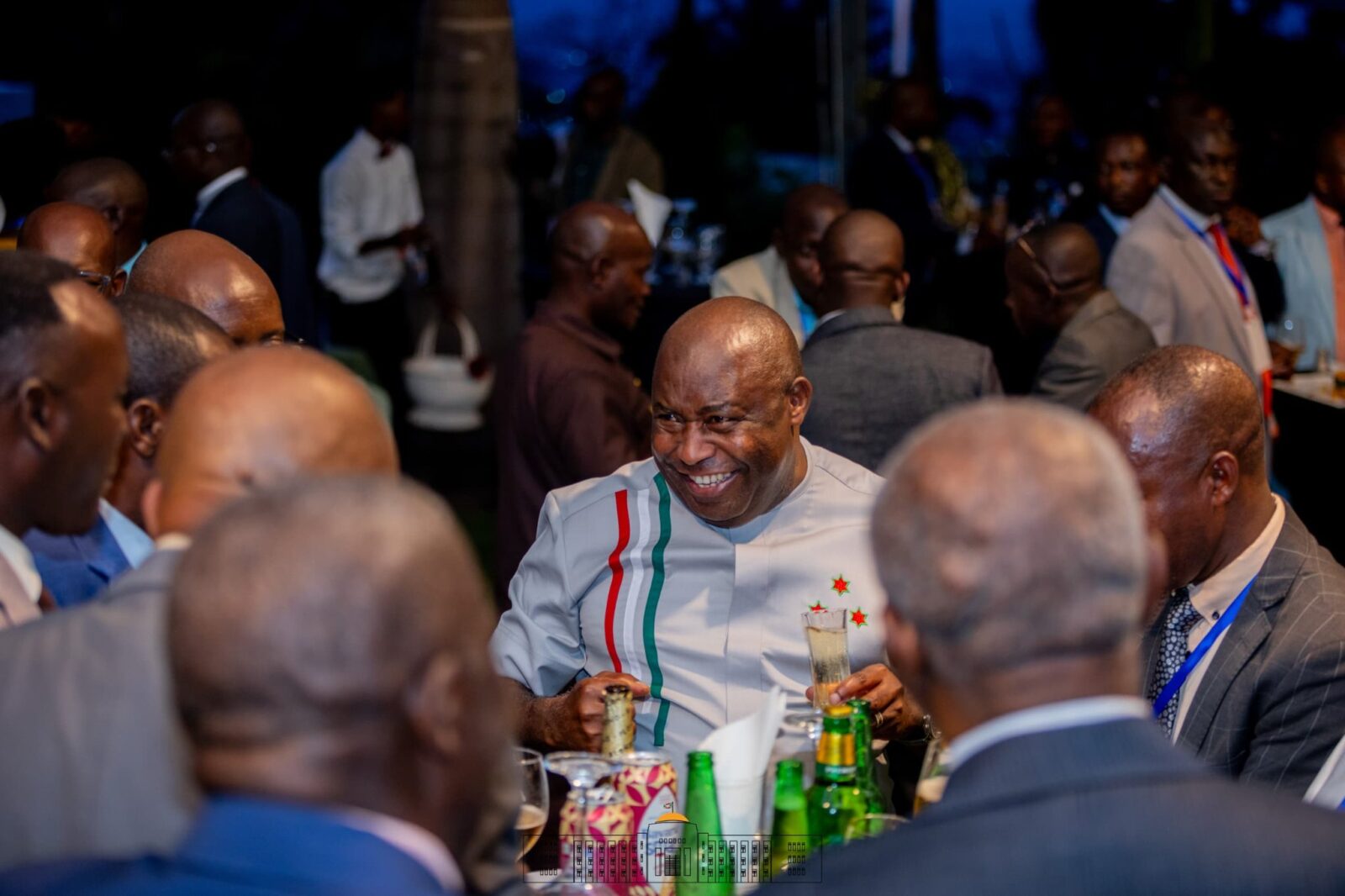
Last week, President Ndayishimiye convened a meeting with opposition leaders, a move widely viewed as an attempt to ease political tensions ahead of the presidential race.
The talks followed a boycott by five opposition parties of meetings organized by the national electoral commission CENI, which they accused of lacking the credibility and competence necessary to oversee a free and fair election.
President Ndayishimiye said the dialogue was intended to establish standards of political conduct before, during, and after the elections. He also urged candidates to accept electoral defeat if they lose at the ballot box and warned that boycotting the process would not bring about change.
“We came to express concerns openly and find solutions,” he said. “When you boycott the election, others gather to find remedies, and you will ultimately comply with them.”
“In this dialogue, I want us to agree on proper conduct ahead of the elections because the laws are clear and must be upheld. If citizens do not vote for you, accept the outcome and support those elected,” he added.
In their statement, the opposition leaders also criticized the absence of an official communiqué summarizing the resolutions reached during the May 15 dialogue, warning that such an omission could undermine the implementation of points of consensus that emerged from the discussions.
The 2025 legislative and communal elections — in which opposition parties failed to secure a single seat in either the National Assembly or the Senate — were heavily contested by opposition groups. While some international observers validated the results, they also noted several irregularities during the electoral process.
To enhance transparency and reassure both national and international public opinion, the opposition parties called for the establishment of a clear mechanism to monitor and implement recommendations arising from the dialogue. They argued that such a framework would help ensure that commitments made by all parties are effectively carried out and formally documented in a joint communiqué outlining key agreements.
The opposition parties concluded by reaffirming their commitment to continued dialogue, particularly on unresolved issues such as restructuring the electoral commission and its branches to better reflect political diversity, revising the electoral code to strengthen voter protections, and ending alleged intimidation and harassment of opposition supporters by members of the ruling party’s youth wing.
“We advocate for a political and electoral environment that guarantees fair competition through rules that are just, transparent, and respected by all,” the statement said.